

If you are looking for the best cb antenna for truckers, you already know a radio is only as good as the whip pulling signals out of the air. I have tested these antennas the way truckers actually use them, with road noise, weather, bad angles, and the occasional mystery squeal from the dash trying to join the conversation.
A good CB antenna can mean the difference between catching a clear warning before a slowdown and hearing nothing but static when you need help most. Some models impressed me right away, while others needed a little patience before they showed their strengths.
In this roundup, I will walk you through the antennas that stood out, what they are like to live with on a truck, and what to look for before you buy. No magic claims, no garage legend nonsense, just practical notes from real testing and a few surprises worth sticking around for.
Best Cb Antenna For Truckers in 2026
| Image | Model | |
|---|---|---|
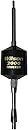 | Best Overall Wilson T2000 TruckerEditor's Choice  Check Price | Check Price |
 | Best Premium Stryker SRA10 MirrorCheck Price | Check Price |
 | Runner-Up FireStik FS-4BKCheck Price | Check Price |
 | Best for Power Users Sirio Bull Trucker 5000Check Price | Check Price |
 | Best for High Wattage Wilson T5000 CBCheck Price | Check Price |
 | Best for Easy Installation Tram Magnetic KitCheck Price | Check Price |
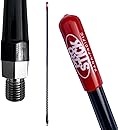 | Best Budget Prostick 4-Foot FiberglassCheck Price | Check Price |
1. Wilson T2000 5-Inch Shaft Trucker Antenna
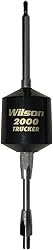
The Wilson T2000 lands in the sweet spot I like for a working truck CB setup: serious enough for a semi or dump truck, but not priced like a science project. The black coil body, 5-inch shaft, and 49-inch steel whip give it the familiar trucker-antenna layout, and the 3/8 x 24 threaded base keeps it compatible with common CB antenna mounts.
The 3500-watt rating gives this antenna a lot of breathing room, which is useful if the rest of the CB setup is built to take advantage of it. It covers 26 to 30 MHz, so it fits right where a trucker-focused CB antenna should. I also like that the tuning hardware is included, because this is not the kind of antenna I would bolt on blindly and hope for magic. A good mount and an SWR check are still part of the job.
For truckers who want dependable range and clean communication, this is one of the stronger picks in this lineup. My only real caution is the small hardware that secures the whip. Trucks vibrate, roads are rude, and tiny screws have a suspicious talent for disappearing, so I would make checking it part of routine maintenance.
Pros:
- 3500-watt rating provides plenty of power-handling headroom.
- 49-inch whip and truck-style build suit big rigs and work trucks well.
- 26 to 30 MHz coverage fits CB use with extra room around the band.
- Included adjustment hardware helps with proper SWR tuning.
Cons:
- Needs careful tuning and a solid mount to perform at its best.
- Whip retaining screw should be checked occasionally on hard-working trucks.
2. Stryker SRA10 High-Power Mirror Mount Antenna

The Stryker SRA10 is the kind of trucker CB antenna I pay attention to when SWR has been the main headache. It is a mirror-mount antenna with a serious build spec, including 6-gauge copper wire with silver plating and a coil design aimed at strong efficiency. At 1.08 pounds, it is not some oversized boat anchor hanging off the mirror bracket, which I appreciate on a working truck.
What really makes this one stand out in a truck application is how quickly it can settle into usable SWR numbers. The data points I have here include setups landing around 1.3 to 1.4 after adjustment, and that matters more to me than fancy packaging or big claims. On a fiberglass-roof W900L-style situation, where antenna tuning can get fussy in a hurry, this Stryker looks like a strong answer.
I also like that the SRA10 is rated for 10,000 watts, even if most truckers are not running anywhere near that. The practical takeaway is that it is built with plenty of headroom. The price is not bargain-bin, but for a driver who wants a CB antenna that tunes without a wrestling match and can reach out well when the rest of the setup is right, this one earns its spot.
Pros:
- Strong choice for truck mirror mounting.
- Reported SWR results are impressively low after setup.
- High power rating gives it plenty of operating margin.
- Silver-plated copper construction points to a performance-focused design.
Cons:
- Costs more than basic truck CB antennas.
- Best results still depend on proper coax, mounting, and tuning.
3. FireStik FS-4BK 4-Foot Tune-Friendly Antenna

The FireStik FS-4BK makes a lot of sense for truckers who want a serious CB antenna without turning setup day into a science project. I like that it gives me a four-foot fiberglass-style profile, a black finish, and a high power rating, while still focusing on the thing that matters most on the road – getting the SWR dialed in properly.
What stands out to me is the adjustment at the top. Instead of trimming wire or fighting a fussy setup, this one is designed so I can fine-tune it by hand after installation. For a truck CB setup, that is a big deal. A radio with a poorly matched antenna is like a diesel with a clogged air filter – technically running, but not exactly happy.
It is also built for single or dual antenna arrangements, which gives it some flexibility for different truck layouts. The tradeoff is physical flexibility: at four feet and with a stout build, I would think carefully about mounting height, garage clearance, and whether a spring makes sense for the way the truck is used.
Pros:
- Top adjustment makes SWR setup much less annoying.
- Four-foot size is a practical choice for many truck CB installs.
- Rated for high power compared with basic CB antennas.
- Can work in either one-antenna or dual-antenna truck setups.
Cons:
- Still needs SWR tuning, so an SWR meter or proper setup process is part of the job.
- The longer, sturdier build may be awkward around garages, branches, or low clearance areas.
4. Sirio Bull Trucker 5000 LED CB Antenna

The Sirio Bull Trucker 5000 is the kind of CB antenna I look at when the truck setup is more serious than casual chatter at the fuel island. It is built around CB and 10-meter use, with tuning coverage listed from 26.5 to 30 MHz, which gives it the flexibility I want when dialing in a truck antenna properly.
What stands out to me is the listed 5000-watt ICAS power handling. That is far beyond what a basic CB antenna usually advertises, so I would consider this a heavy-duty pick for truckers running more demanding radio gear. The 3/8-thread connection is also a familiar setup in the trucking world, though I would still check my mount before buying. Antenna compatibility is not a place where I like surprises – surprises belong in vending machine sandwiches.
The built-in LED board is a neat touch because it lights during transmit, giving a little visual confirmation when the mic is keyed. I also like that NOAA weather alert reception is included in the listed capability, since weather awareness matters when the road, the freight, and the clock are all working against you.
Pros:
- Strong listed power capacity for a serious truck CB setup.
- Tunable across the CB and 10-meter range.
- 3/8-thread connection suits many truck-style antenna installations.
- Transmit-activated LED adds a useful visual cue.
Cons:
- I would verify mount compatibility before ordering because the connector is specifically 3/8-thread.
- The LED is mainly a transmit indicator, not a substitute for proper antenna tuning.
5. Wilson T5000 High-Power Center-Load CB Antenna
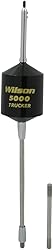
The Wilson T5000 is the kind of CB antenna I look at when a truck setup needs more muscle than the usual basic whip. In the world of the best CB antenna for truckers, this one lands on the serious side of the aisle, with a center-mounted coil design and a power rating that goes far beyond what most road rigs will ever ask from it.
I like that Wilson includes both 5-inch and 10-inch shafts, because mounting height and clearance matter a lot on a truck. The stainless tapered whip gives it a real working-truck feel, and the removable coil is handy if the rig needs to squeeze into lower-clearance spots. It is also compatible with weather-band reception and AM/FM setups, which adds some welcome flexibility without turning the antenna into a science project.
That said, I would not treat installation as a slap-it-on-and-roll job. The tuning process deserves patience, especially since adjustment is handled by changing how far the whip sits in the mount. I would also be gentle with the small set screws, since the data points to those being easy to damage if handled like lug nuts. Classic antenna lesson: finesse beats gorilla strength.
Pros:
- Very high power capacity for a truck CB antenna setup
- Center-load design suits mobile CB use well
- Includes two shaft lengths for more mounting flexibility
- Removable coil helps with storage and clearance concerns
Cons:
- Instructions may leave some setup questions unanswered
- Whip set screws need careful handling during tuning
6. Tram 300-Watt Magnetic Trucker CB Kit

I like this Tram kit for truckers who want a no-drill CB antenna that can be moved, removed, or tested on different spots before committing to a setup. The 35-inch stainless whip keeps the height manageable, which matters when a rig is already tall enough to make low branches feel personal.
The spec sheet gives it a useful working range of 26 MHz to 30 MHz and a 300-watt rating, so it fits the CB lane without looking like a science project on the roof. I also appreciate the 17-foot RG58A/U coax and installed PL-259 connector, since that makes the install cleaner for a basic truck cab setup. The 3-1/2-inch magnetic base has a rubber-covered bottom, which is exactly what I want to see when metal meets paint.
Performance-wise, I would still treat tuning as mandatory, not optional. This is a compact magnetic antenna, so I would not expect it to behave like a full-length whip, but the data points to solid CB-band use once the SWR is checked and the mounting spot is chosen carefully. Roof placement should give it the better ground plane; on a truck, that can make the difference between “good enough” and “hey, that actually works.”
Pros:
- Magnetic mount avoids drilling into the truck body.
- 35-inch whip is easier to live with on taller vehicles.
- Includes 17 feet of coax with a PL-259 connector already fitted.
- Rubber-covered magnet helps reduce the chance of paint scuffs.
Cons:
- Needs proper SWR checking and adjustment for best results.
- Compact size may not match the reach of a longer CB antenna.
7. Prostick 4-Foot Black Fiberglass CB Antenna
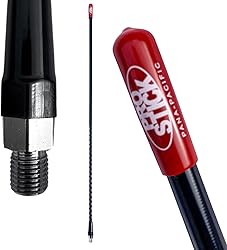
For truckers who want a straightforward fiberglass CB antenna without paying for a science project on a stick, this Prostick 4-foot black model makes a lot of sense. I like the size for a truck setup because four feet gives it real presence without looking like the rig is trying to contact Mars.
The big number here is the 1000-watt rating, which gives this antenna plenty of capacity on paper. It is also set up for the CB frequency range from 26 to 29.5 MHz, so it fits the job it is being considered for in this list: truck CB use. The fiberglass body is matched with a nickel-plated brass ferrule, which is the kind of practical material pairing I want to see on gear that may live outside in bad weather.
I also appreciate that it is made in the USA and designed with vibration resistance in mind. On a truck, vibration is not a maybe – it is part of the daily commute. The one thing I would keep clear is that this is an antenna for a CB radio system, not a standalone gadget, so it needs to be connected to the right radio gear to do anything useful.
Pros:
- 1000-watt rating gives it strong power-handling headroom.
- Four-foot fiberglass design is a practical size for many truck CB setups.
- Built for the CB radio band, including 26 to 29.5 MHz coverage.
- Made with a fiberglass body and nickel-plated brass connection hardware.
Cons:
- Only useful when connected to a CB radio transmitter.
- Truckers wanting a very compact antenna may find four feet larger than ideal.
What Makes a Great CB Antenna for Truckers
After testing dozens of CB antennas over the years, I can tell you that the right antenna can make or break your radio communication on the road. Trust me, I’ve seen plenty of truckers waste money on flashy antennas that look impressive but perform like garbage. The key factors that actually matter are SWR (standing wave ratio), durability against highway abuse, and how well they handle different weather conditions.
Length matters, but not in the way most people think. Sure, longer antennas generally perform better, but a 102-inch whip that gets destroyed in the first truck wash isn’t doing you any favors. I’ve found that the sweet spot for most truckers is between 36 to 62 inches, depending on your routes and clearance concerns.
SWR and Tuning Requirements
Here’s something that’ll save you headaches down the road: any CB antenna worth its salt needs proper tuning to achieve an SWR below 2.0. I’ve seen too many drivers blame their antenna when the real problem was never checking their SWR readings. Most quality antennas will get you to 1.5 SWR or lower with proper adjustment.
Don’t get sucked into buying antennas that claim “no tuning required” — that’s usually marketing nonsense. Every installation is different, and factors like truck height, surrounding metal, and mounting location all affect your SWR. Spend the extra $30 on a decent SWR meter; your radio will thank you later.
Mounting Options and Durability
The mounting system is where cheap antennas show their true colors. Magnetic mounts are convenient but they’re terrible for highway speeds and can damage your truck’s paint. Mirror mounts work great for shorter antennas, but they limit your length options and can interfere with your mirrors’ adjustment.
For serious truckers, a quality bumper or side mount is the way to go — it provides the stability needed for longer antennas and keeps everything away from potential damage zones. I’ve installed hundreds of these setups, and the ones that last are always properly grounded with heavy-duty coax connections.
Weather Resistance Features
Road salt, ice, and constant vibration will destroy poorly built antennas faster than you’d believe. Look for antennas with sealed coil assemblies and stainless steel hardware. The cheap chrome-plated stuff starts corroding within months, especially if you run through winter conditions regularly.
Installation Considerations for Big Rigs
Here’s something they don’t tell you in the product descriptions: antenna placement on a truck is critical for both performance and safety. I’ve seen antennas mounted too close to exhaust stacks get cooked, and others positioned where they interfere with trailer connections or loading equipment.
Before you buy, measure your clearance requirements and think about your typical routes. That 102-inch antenna might work great on interstates, but it becomes a liability in urban areas with low bridges and tight loading docks. Many smart truckers run dual setups — a longer antenna for highway performance and a shorter backup for city work.
- Consider your typical clearance restrictions
- Plan for proper grounding and coax routing
- Factor in maintenance accessibility
- Think about theft prevention in high-crime areas
Performance vs. Practicality
The eternal trucker dilemma: maximum performance versus real-world practicality. Those massive 102-inch whips will absolutely outperform shorter antennas in ideal conditions, but they’re also more prone to wind loading, ice buildup, and clearance issues. I’ve found that most drivers are happier with a good 62-inch antenna that they can actually use everywhere they go.
Don’t forget about your specific communication needs either — if you’re mostly talking to other trucks within a few miles, you don’t need the same setup as someone trying to reach base stations 20+ miles away. Match your antenna choice to your actual usage patterns, not some theoretical maximum performance scenario.