

I tested these adapters the way most people actually use them — with coffee in the cup holder, a phone sliding around the console, and a favorite playlist waiting to see if that ancient slot in the dash still has a little magic left. Some were quiet and clean. Some picked up more hiss than a late-night radio host. A few made me wonder why I ever doubted cassette tech in the first place.
If you want better sound without replacing your stereo, the best cassette adapter can be a small, cheap upgrade that feels oddly satisfying. Here are the ones that actually delivered.
Best Cassette Adapters in 2026
| Image | Model | |
|---|---|---|
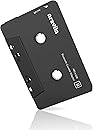 | Best Overall Arsvita Wireless CassetteEditor's Choice  Check Price | Check Price |
 | Best Budget Arsvita Cassette AuxCheck Price | Check Price |
 | Best Battery Life Elook Bluetooth AdapterCheck Price | Check Price |
 | Most Versatile Kedok Bluetooth AdapterCheck Price | Check Price |
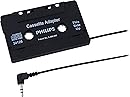 | Easiest to Set Up Philips Universal AdapterCheck Price | Check Price |
 | Best Sound Quality Sony CPA-9C AdapterCheck Price | Check Price |
1. Arsvita Wireless Cassette Adapter For Factory Stereos
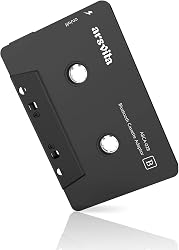
I like this Arsvita adapter for a very specific job: adding phone audio to a car that still has a cassette deck without cutting into the dash or swapping out the original stereo. In the best cassette adapter conversation, that matters. A factory head unit can be part of the car’s character, and this little black cassette keeps that look intact while adding wireless playback.
Pairing is reported as straightforward, and the Bluetooth 5.0 setup is aimed at phones, tablets, and other standard Bluetooth audio sources. The built-in battery is another strong point, with the product data listing up to 8 hours of play time, long standby time, and a full recharge in about 1.5 hours. I also appreciate that there is no dangling aux cable across the console – old interiors have enough quirks already.
Sound quality is good for what this is, but I would not call it magic. Based on the data, it can lean a little bright and may benefit from tweaking the stereo’s EQ, especially if bass matters to you. There can also be some cassette mechanism noise, and reconnecting after leaving the car may be part of the routine. Still, for a low-cost way to bring streaming audio into an older tape deck, this Arsvita makes a lot of sense.
Pros:
- Keeps the original cassette stereo in place
- Wireless audio means fewer cables in the cabin
- Battery life is practical for regular driving
- Simple pairing with standard Bluetooth audio devices
Cons:
- No phone call function
- Some cars may reveal gear noise or a lighter bass response
2. Arsvita 3.5mm Cassette Aux Adapter

The Arsvita cassette adapter is the kind of simple fix I like in an older car: no dashboard surgery, no modern head unit sticking out of a classic interior, and no pretending an FM transmitter is always the cleanest answer. It slides into a tape deck and connects by a 3.5mm plug, which makes it a practical pick if the goal is to play music from a phone, tablet, MP3 player, or another device with a standard headphone-style output.
For a best cassette adapter roundup, this one stands out because it leans into build details that matter for daily use. The cable is listed at 3.3 feet, which is enough to reach a nearby phone mount or center console without creating a spaghetti incident. I also like that the design accounts for different cassette slot orientations by allowing the cord path to be changed through the top groove. That is a small detail, but in older cars, small details often decide whether something feels clever or annoying.
Sound-wise, this is still a cassette-to-aux setup, so I would not expect it to magically turn a factory tape deck into a studio monitor. But the shielded cable design, metal housing, and plated connectors give me more confidence than the bargain-bin adapters I have wrestled with before. If your playback device has EQ controls, a little tuning may help you get the balance where you want it. Old-school tape deck, modern playlist – honestly, that is a pretty good truce.
Pros:
- Good choice for preserving an original cassette stereo in a vintage car.
- Works with devices that have a standard 3.5mm audio connection.
- 3.3-foot cable is a useful length for typical front-seat setups.
- Cable exit can be adjusted for different tape deck layouts.
Cons:
- Not wireless, so the cable will always be part of the setup.
- Phones without a 3.5mm jack will need a separate adapter.
3. Elook Bluetooth 5.0 Cassette Adapter

I like the Elook because it keeps the old-school cassette deck involved without asking me to run a dangling cable from the dash to my phone. For a best cassette adapter list, that matters. This is a Bluetooth 5.0 cassette-style receiver, so the basic idea is simple: slide it into the tape slot, pair a Bluetooth device, and let the car’s existing stereo do the work.
At the listed price of $15.99, it feels aimed at drivers who want a budget-friendly way to bring streaming audio into an older cabin. The product data points to careful material choices and noise reduction efforts, and while I would not expect miracles from any cassette adapter, I do appreciate that Elook is clearly trying to improve the sound path instead of treating this like a throwaway gadget. Old tape decks have personality – sometimes too much personality – so every bit of cleanup helps.
Compatibility is the big selling point here. Since it is built around Bluetooth 5.0, I can use it with Bluetooth-capable phones, tablets, MP3 players, and similar devices. I also like seeing a 12-month replacement policy listed, because car audio accessories live in a rough world of heat, cold, cupholder dust, and glovebox archaeology.
Pros:
- Bluetooth 5.0 design avoids a loose aux cable across the cabin
- Simple setup suits older cars with working cassette players
- Compatible with a wide range of Bluetooth-equipped devices
- Listed 12-month replacement support adds some peace of mind
Cons:
- Only makes sense if the car has a functioning cassette deck
- Advanced specs and control details are limited in the provided product information
4. Kedok Bluetooth 5.0 Cassette Adapter

If I were trying to bring an older cassette deck into the phone era without tearing into the dash, the Kedok Bluetooth 5.0 adapter is exactly the kind of low-drama fix I would look at first. It drops into the tape slot, pairs over Bluetooth, and lets an old factory stereo stream music from a phone. At $12.99, it lands firmly in the budget lane, which is not a bad place to be when the car itself may be old enough to remember dial-up internet.
For music, this one has the right ingredients for a best cassette adapter pick: Bluetooth 5.0, stereo output, a rechargeable battery, and a simple setup process. The claimed battery life is up to 8 hours, and the listed charge time is about 1.5 hours, so I would be comfortable using it for commuting or a decent road trip as long as I remember to power it down afterward. There is also a built-in mic and call control, though I would buy this mainly for music, not as my dream conference-call rig.
The honest catch is compatibility. It is meant for cassette-equipped cars, trucks, home stereos, and portable tape players, but I would not assume every deck will love it equally. The data points to it working in a 2003 Acura MDX while not working in a 2006 Nissan Murano with Bose, so picky factory systems are possible. Sound quality also has the normal ceiling of a cassette adapter, but for reviving an older stereo on the cheap, this Kedok makes a strong case.
Pros:
- Very affordable way to add Bluetooth audio to a cassette stereo.
- Bluetooth 5.0 support keeps the setup modern without replacing the radio.
- Up to 8 hours of listed play or talk time is solid for daily driving.
- Includes a microphone and call button for phone use when needed.
Cons:
- May not cooperate with every factory cassette deck, especially some premium systems.
- Call audio appears to be less impressive than music playback.
5. Philips Universal 3.5mm Cassette Adapter
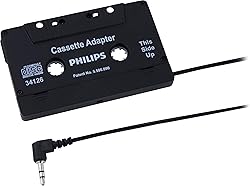
I like this Philips adapter for the same reason I still like a dependable old sedan: it keeps the job simple. For a car with a working tape deck but no auxiliary input, this is the kind of cassette adapter I would reach for when I want to connect a portable player through a standard 3.5mm plug without turning the dashboard into a science project.
The big appeal here is its straightforward wired setup. Slide the cassette into the deck, connect the 3.5mm end to a compatible device, and the stereo can play audio from that source. Based on the product data, it is intended for car and home cassette systems, which gives it some nice flexibility if you also have an older stereo sitting around the house. Retro gear deserves snacks and a second life.
As a pick in a best cassette adapter lineup, I see this as the no-fuss option rather than the feature-stuffed one. There is no Bluetooth mentioned, no charging case, and no extra controls listed. That can actually be a plus if you want fewer moving parts, but it also means your device needs the right 3.5mm connection or an appropriate workaround.
Pros:
- Simple wired design for cassette decks without an auxiliary input
- Standard 3.5mm connector works with compatible portable audio devices
- Suitable for both vehicle and home cassette stereos
- Philips branding gives it a familiar, mainstream feel
Cons:
- No wireless function is listed
- Requires a device with compatible 3.5mm output or an adapter
6. Sony CPA-9C Quiet Cassette Adapter

I like the Sony CPA-9C in this best cassette adapter roundup because it feels like the grown-up choice for an older car stereo. It is built for a simple job: plug the 3.5mm end into a portable player or phone with a headphone output, slide the cassette into the deck, and let the factory speakers do something more useful than play local AM traffic reports.
The big reason I would pick this one is its cleaner, calmer playback behavior. Based on the data here, it keeps mechanical racket low and the internal head can line itself up with the cassette deck, which helps it make a more stable connection. I would still expect the source device to matter a lot; a weak output can make this adapter sound underfed, while a stronger player can give it more life. In plain garage terms: the cassette is not a miracle worker, but it is a good messenger.
There are two catches I would not ignore. First, this is not the bargain-bin adapter at $84.95, so the price only makes sense if I care about better performance from an old tape deck. Second, compatibility depends on the cassette slot orientation, so I would check the deck before ordering. Also, the low end may not hit like a CD or a modern Bluetooth setup, but for a tape-deck bridge, this Sony is one of the more convincing options.
Pros:
- Clean, low-noise playback makes it a strong pick among cassette adapters.
- Works through a standard 3.5mm headphone-style connection.
- Internal head design helps maintain contact with the car cassette deck.
- Good fit for older vehicles where replacing the radio is not the plan.
Cons:
- Price is high for a cassette adapter.
- Not ideal for every cassette deck layout, and bass response can be limited.
What to Look For in a Cassette Adapter
Trust me, I’ve tested dozens of these things over the years, and the difference between a good one and a cheap piece of junk is night and day. The most important factor is the tape mechanism itself — those little wheels and the belt system need to be smooth and properly aligned, or you’ll get that annoying clicking and grinding sound that makes your music sound like it’s coming through a blender.
The cord quality matters way more than you’d think. I’ve seen adapters that work great for a month, then the wire starts shorting out near the 3.5mm jack. Look for ones with reinforced connectors and a cord that’s at least 3 feet long — trust me on this one, you don’t want to be stretching that cable to reach your phone.
Sound Quality Considerations
Here’s something most people don’t realize: cassette adapters are inherently going to have some background noise. That’s just how they work — they’re basically tricking your deck into thinking there’s a tape playing. But a good adapter will minimize that hiss to barely noticeable levels, while a bad one will sound like you’re listening to music through a rainstorm.
The frequency response is where you’ll really notice the difference. Cheap adapters tend to muffle the highs and make everything sound muddy. I once tested an adapter that made my Metallica collection sound like it was recorded underwater — don’t ask how I know, but it was painful.
Compatibility and Fit
Not all cassette decks are created equal, and some are pickier than others about what they’ll accept. Look for adapters specifically designed for auto cassette players, as they tend to be more robust and handle the vibrations better than generic home stereo versions.
The tape thickness is crucial here. Some decks, especially older ones, can be sensitive to this. I’ve run into situations where an adapter works perfectly in one car but gets constantly ejected from another. It’s frustrating, but that’s just the reality of working with 40-year-old technology.
Durability Factors
The tape mechanism is the weakest point on most adapters. Those tiny plastic gears and the rubber belt will wear out eventually — it’s not if, it’s when. Look for adapters with metal components in the tape mechanism rather than all-plastic construction. Yeah, they cost a bit more, but you won’t be replacing them every six months.
Heat is another killer. Cars get hot, and plastic gets brittle. I’ve pulled apart adapters that literally crumbled in my hands after a summer in a dashboard. The better ones use higher-grade plastics that can handle temperature swings without turning into dust.
Installation and Setup Tips
Here’s a pro tip that’ll save you some headaches: before you stick that adapter in your deck, clean the tape heads first. Use some isopropyl alcohol on a cotton swab — I can’t tell you how many “defective” adapters I’ve fixed just by cleaning the crud off the playback heads.
When you insert the adapter, don’t force it. These old mechanisms can be finicky, and if it doesn’t slide in smoothly, something’s not right. Sometimes you need to flip the adapter over — the orientation matters on some decks, even though logically it shouldn’t.
Common Issues and Solutions
The most common problem I see is the adapter getting eaten by the deck. This usually happens when the tape mechanism inside the adapter gets jammed or the belt slips. If your deck keeps trying to fast-forward or rewind the adapter, stop using it immediately — you could damage your cassette player’s motor.
Static and interference are also big issues, especially in cars with older electrical systems. Sometimes moving the phone to a different location in the car helps, or using a shorter audio cable. I’ve even seen cases where the charging cable was causing interference — disconnect it and see if the noise goes away.